Old Testament Storyline
By Spencer Floyd
Read through this site to learn more about the timeline and major events of the Old Testament!
Note: many dates and timeframes listed below are approximate. All years/dates are BC.
5500

The Beginning
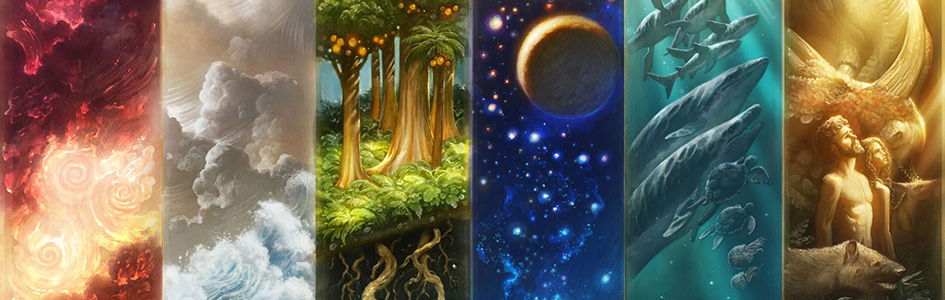
In the beginning, God created the heavens and the earth. The creation story starts before anything existed except for God himself. In Genesis 1, God creates the earth during a period of 6 days:
Day 1: light
Day 2: sky
Day 3: seas, land, plants and trees
Day 4: the sun, moon, and stars
Day 5: birds and sea animals
Day 6: land animals and man
God then rested on day 7, and set it apart and declared it holy.
Day 1: light
Day 2: sky
Day 3: seas, land, plants and trees
Day 4: the sun, moon, and stars
Day 5: birds and sea animals
Day 6: land animals and man
God then rested on day 7, and set it apart and declared it holy.
5500

The Fall
Genesis 2 details the creation story more, including the fact that God created a garden in Eden, filled with many plants and trees, and in the middle a tree of knowledge of good and evil. He also created a woman so that man is not alone.
In Genesis 3, a serpent tempts the woman that God made to eat from the only tree that God told them not to, the tree of knowledge of good and evil at the middle of the garden. The woman falls to this temptation and shares the fruit from the tree with the man. Upon eating the fruit, their eyes are opened to evil and they immediately become shameful that they are naked, so they cover themselves with some leaves.
Because of their choice to eat from the only forbidden tree, sin entered the world, and God explained that they will soon die (“...From you were made from dust, and to dust you will return” Genesis 3:19). God banished them from the garden of Eden.
In Genesis 3, a serpent tempts the woman that God made to eat from the only tree that God told them not to, the tree of knowledge of good and evil at the middle of the garden. The woman falls to this temptation and shares the fruit from the tree with the man. Upon eating the fruit, their eyes are opened to evil and they immediately become shameful that they are naked, so they cover themselves with some leaves.
Because of their choice to eat from the only forbidden tree, sin entered the world, and God explained that they will soon die (“...From you were made from dust, and to dust you will return” Genesis 3:19). God banished them from the garden of Eden.
2348
The Flood
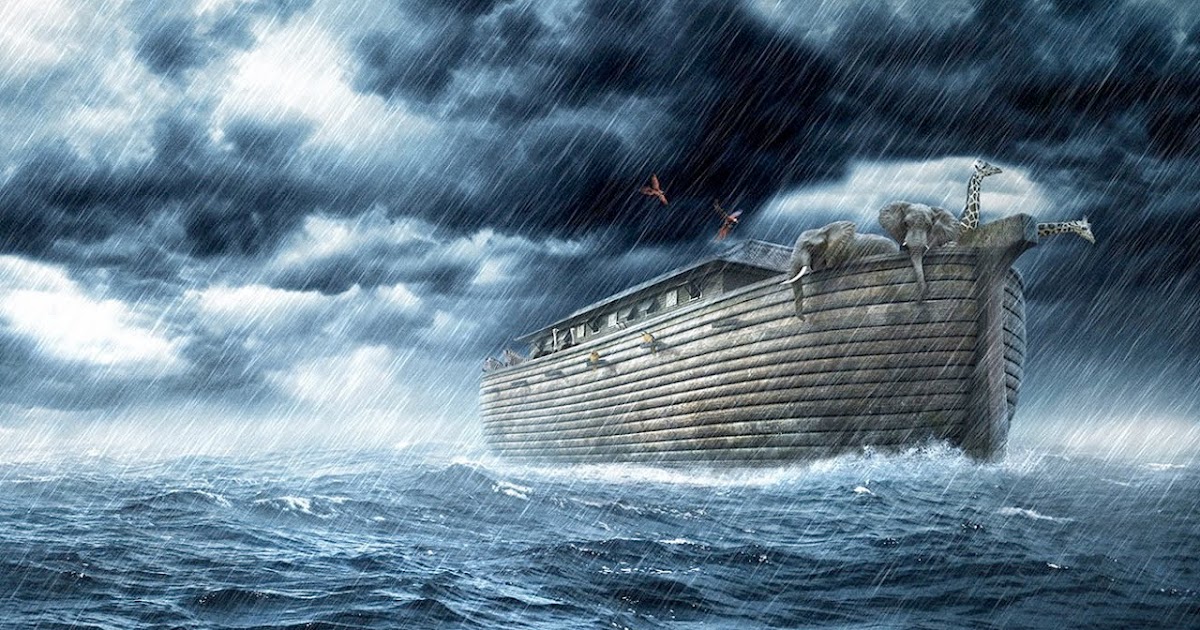
Genesis 6 begins with God reflecting on his creation and seeing the extend of human wickedness. God was sorry he made humans and planned to wipe all living things off the earth. However, Noah was favored by God as he was the only blameless person among his people.
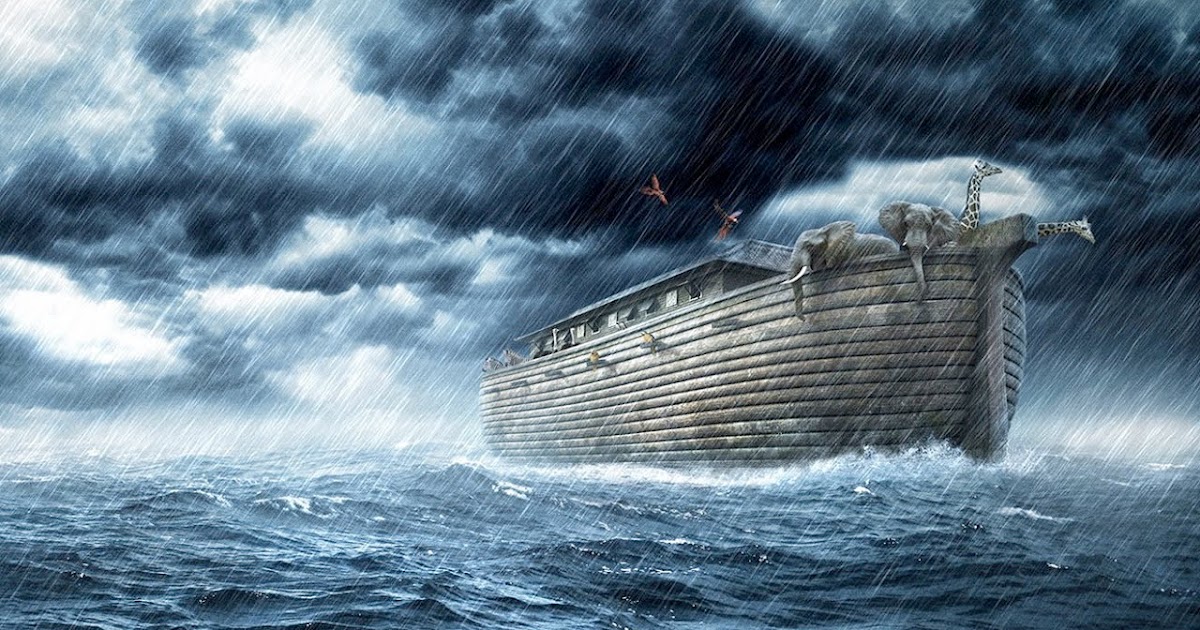
God made a covenant to Noah and told him to build a large boat that would house his family and a pair of each animal and bird (male and female) so that they could survive a flood. God then sent 40 days and nights of rain to flood the earth and wipe out all living things.
After the floodwaters subsided, Noah made an altar and sacrificed burnt offerings on it to God. God made a covenant to never again destroy all living creatures on the earth with a flood. The rainbow would serve as a sign for this covenant.
God made a covenant to Noah and told him to build a large boat that would house his family and a pair of each animal and bird (male and female) so that they could survive a flood. God then sent 40 days and nights of rain to flood the earth and wipe out all living things.
After the floodwaters subsided, Noah made an altar and sacrificed burnt offerings on it to God. God made a covenant to never again destroy all living creatures on the earth with a flood. The rainbow would serve as a sign for this covenant.
2065
Covenants
Abram/Abraham
Abram was married to his wife, Sarai, who was unable to have a child. The Lord appeared to Abram when he was 99 years old and told him if he walks with the Lord faithfully, he will make a covenant to make Abram fruitful and increase the number of his descendants, and will make nations of him and kings come from him.
God renamed Abram to Abraham, as he would be a father of many nations, and his wife Sarai to Sarah, as she would be the mother of many nations. God told Abraham to name his son Isaac, and that he would establish an everlasting covenant with Isaac and his descendants.
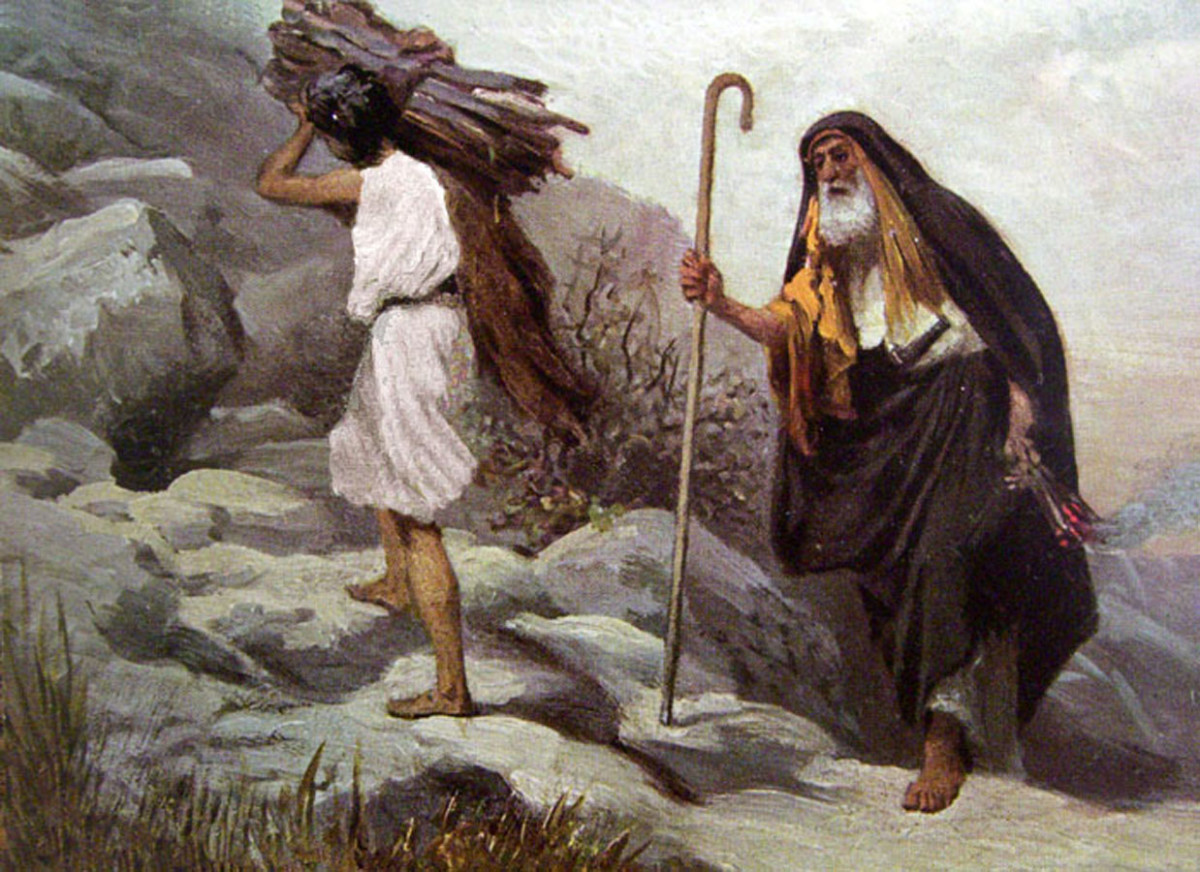
God tested Abraham by telling him to sacrifice his newborn son, Isaac, on an altar. Abraham followed instructions and just before killing Isaac, God stopped Abraham and told him that because he was willing to give his only son, God will surely bless him and make his descendants as numerous as the stars and as the sand on the seashore.
Jacob
Esau and Jacob were the first and second sons of Isaac, respectively. In a plan with his mother, Rebecca, Jacob was able to trick Isaac into blessing him with Esau’s birthright. However, God promised Jacob that he would continue Isaac’s covenant and multiply his descendants. One night when Jacob was alone, he wrestled with a man who he later realized was God. Because of this, God renamed him Israel because he overcame his struggles with God and humans.
Abram was married to his wife, Sarai, who was unable to have a child. The Lord appeared to Abram when he was 99 years old and told him if he walks with the Lord faithfully, he will make a covenant to make Abram fruitful and increase the number of his descendants, and will make nations of him and kings come from him.
God renamed Abram to Abraham, as he would be a father of many nations, and his wife Sarai to Sarah, as she would be the mother of many nations. God told Abraham to name his son Isaac, and that he would establish an everlasting covenant with Isaac and his descendants.
God tested Abraham by telling him to sacrifice his newborn son, Isaac, on an altar. Abraham followed instructions and just before killing Isaac, God stopped Abraham and told him that because he was willing to give his only son, God will surely bless him and make his descendants as numerous as the stars and as the sand on the seashore.
Jacob
Esau and Jacob were the first and second sons of Isaac, respectively. In a plan with his mother, Rebecca, Jacob was able to trick Isaac into blessing him with Esau’s birthright. However, God promised Jacob that he would continue Isaac’s covenant and multiply his descendants. One night when Jacob was alone, he wrestled with a man who he later realized was God. Because of this, God renamed him Israel because he overcame his struggles with God and humans.
1800
In Egypt
In the beginning of the second book of the bible, Exodus, God’s people are in the land of Egypt. While Isaac, Esau, and Jacob had died long ago, the Israelites were exceedingly prosperous and their numbers had multiplied greatly – so much that the land was filled with them.
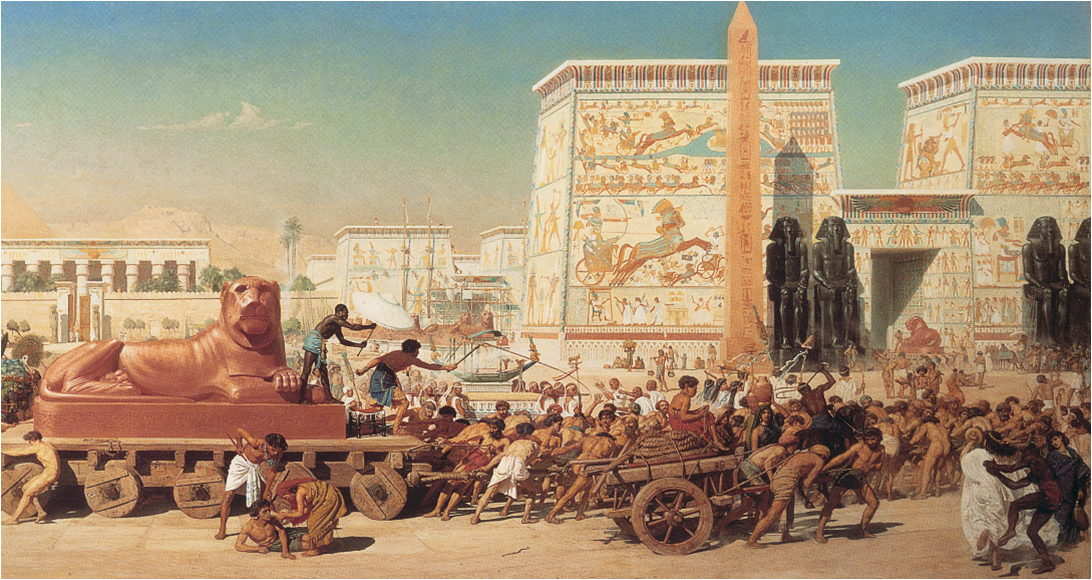
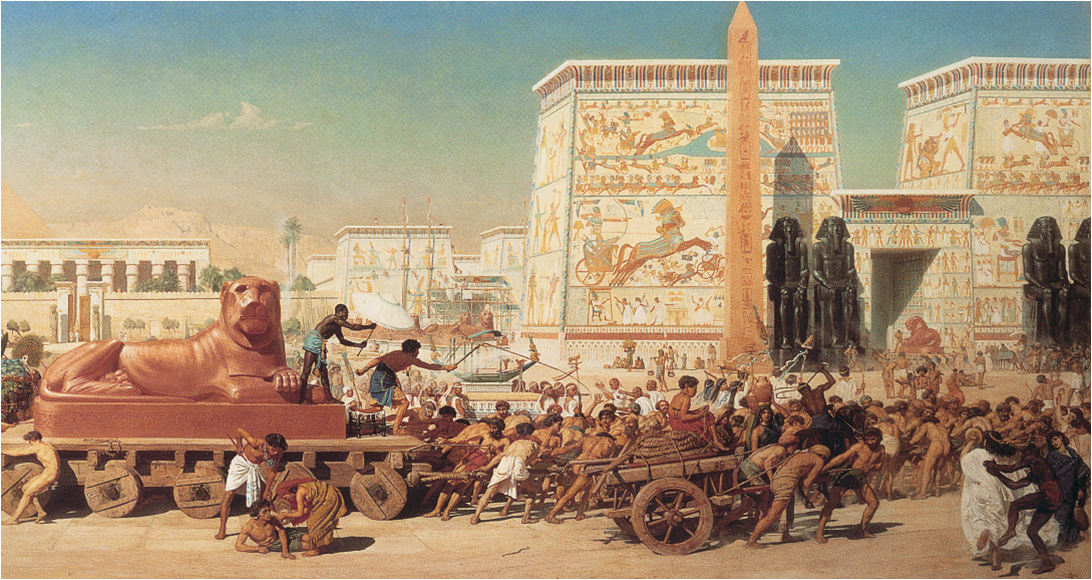
However, the ruler of Egypt, Pharaoh, realized that the Israelites were starting to greatly outnumber the Egyptians and feared that they would turn against them if left unchecked. So, he enslaved them and assigned masters to them.
Despite being enslaved and worked ruthlessly, the Israelites continued to multiply so much that Pharaoh decided to enact an order to throw all newborn Hebrew boys into the Nile. However, Moses was a newborn that was spared by the acts of his mother who hid him in a basket before putting him in the Nile. He was found by Pharaoh’s daughter and, with her compassion and his sister’s help, was able to be raised by his own mother and would later become instrumental in rescuing the Israelites.
However, the ruler of Egypt, Pharaoh, realized that the Israelites were starting to greatly outnumber the Egyptians and feared that they would turn against them if left unchecked. So, he enslaved them and assigned masters to them.
Despite being enslaved and worked ruthlessly, the Israelites continued to multiply so much that Pharaoh decided to enact an order to throw all newborn Hebrew boys into the Nile. However, Moses was a newborn that was spared by the acts of his mother who hid him in a basket before putting him in the Nile. He was found by Pharaoh’s daughter and, with her compassion and his sister’s help, was able to be raised by his own mother and would later become instrumental in rescuing the Israelites.
1446

The Exodus
God asked Moses to go to Pharaoh to bring the Israelites out of Egypt. Moses doubted that anyone would listen to him, so God gave him several signs and miracles to convince them. Even then, Moses asked God to send someone else. God became angry, but agreed to send Moses’s brother, Aaron, with him.
The two of them went to Pharaoh and told him that God said to let his people go. Pharaoh didn’t comply with this order, so God sent 10 plagues to force Pharaoh and the Egyptians to let the Israelites go. The plagues also taught the Egyptians that God was in control of the earth and everything in it, not their pharaoh.
Once the Israelites were released, God established the Passover as a memorial to the event.
The two of them went to Pharaoh and told him that God said to let his people go. Pharaoh didn’t comply with this order, so God sent 10 plagues to force Pharaoh and the Egyptians to let the Israelites go. The plagues also taught the Egyptians that God was in control of the earth and everything in it, not their pharaoh.
Once the Israelites were released, God established the Passover as a memorial to the event.
1400
Sinai
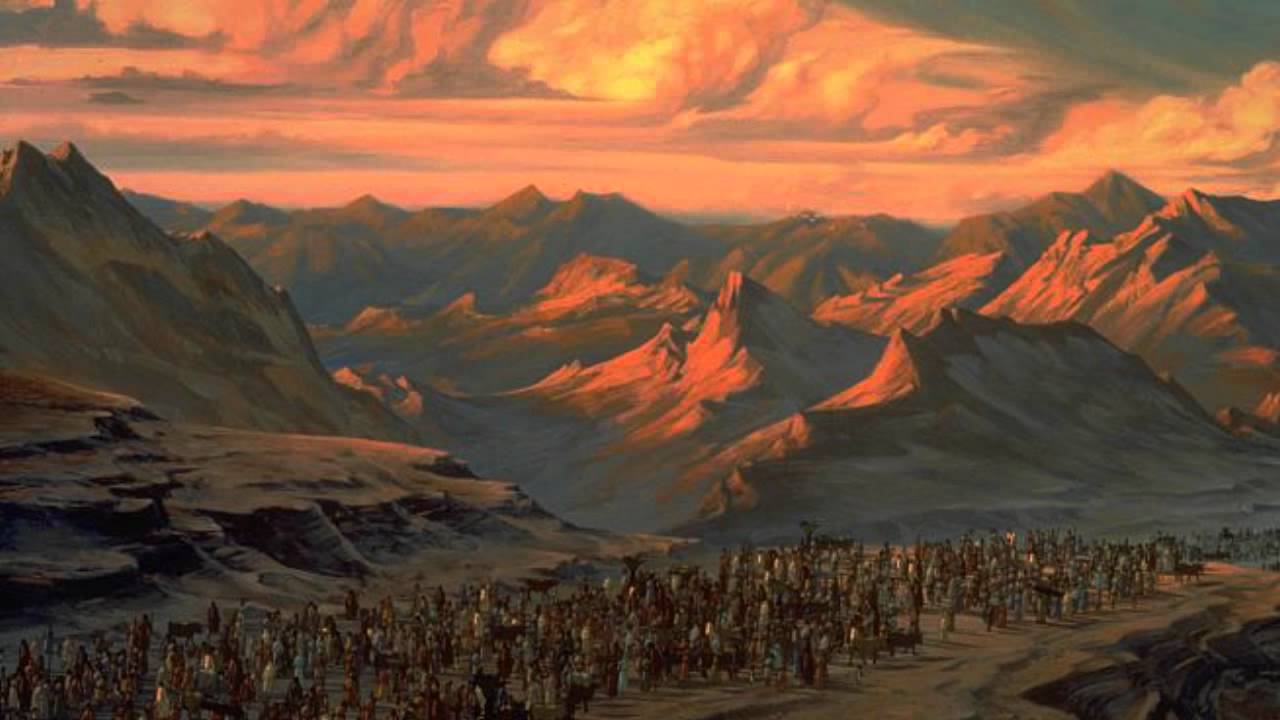
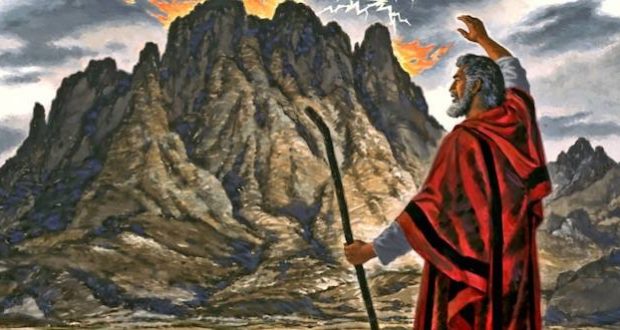
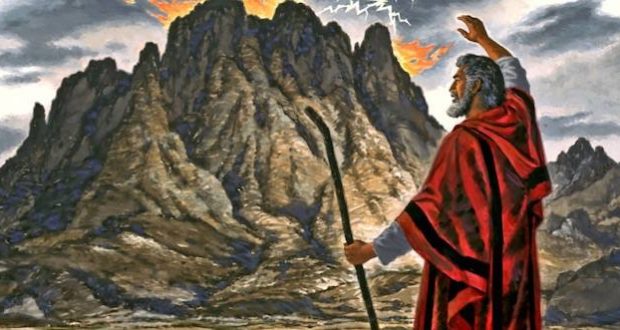
When the Israelites made it to Mt. Sinai, they camped in front of the mountain and sent Moses up the mountain to God. God called to Moses and told him to remind the Israelites of his covenant, and Moses went down and did this. After several trips up and down the mountain, God gave Moses the 10 commandments, along with many other laws that the Israelites were to follow. God created a new covenant at Sinai that instructed the Israelites to obey the laws and instruction he had given them. In addition to these laws, God told them how to build the tabernacle, where God’s presence would dwell in the midst of the Israelites.
However, while Moses was up on the mountain taking a while to receive the laws from God, the Israelites were quick to turn away from God and created idols like a golden calf that they worshiped. God punished them for this, but after Moses’s pleas, spared many and forgave their sins.
However, while Moses was up on the mountain taking a while to receive the laws from God, the Israelites were quick to turn away from God and created idols like a golden calf that they worshiped. God punished them for this, but after Moses’s pleas, spared many and forgave their sins.
1400

Wilderness Wanderings
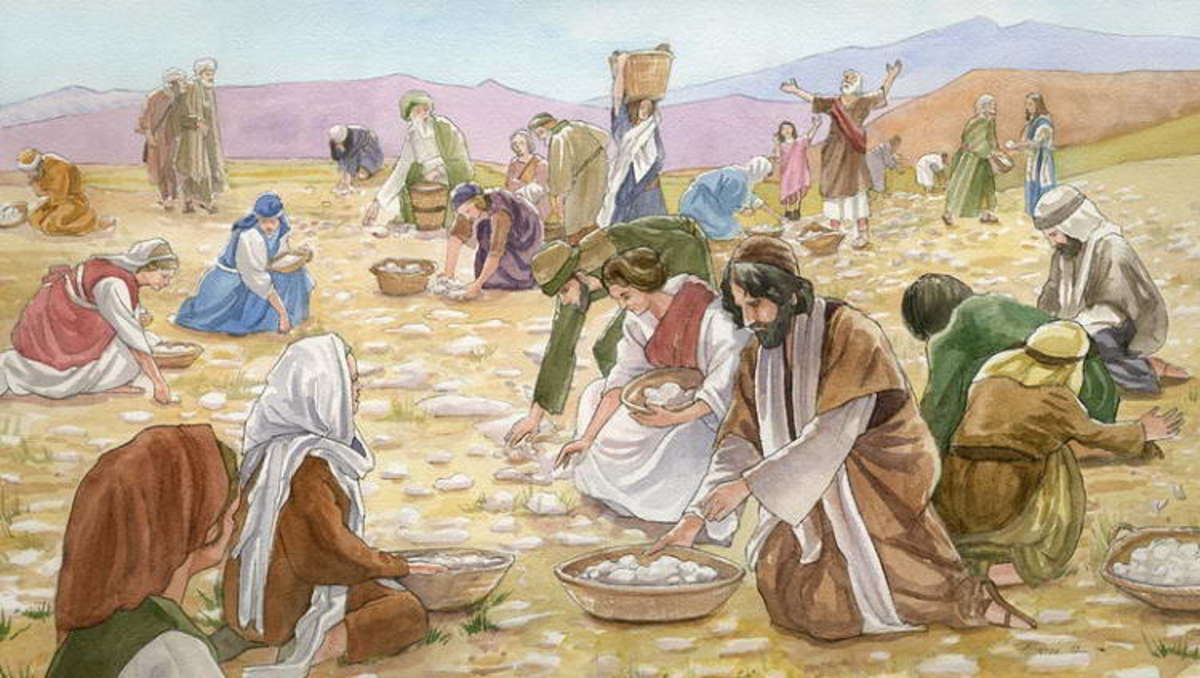
After departing from Mt. Sinai, the Israelites set out on a journey towards the promised land. However, they had trouble the entire way. Even when God was providing for them, they failed to trust him completely. They complained about the lack of food in the desert, and when God miraculously provided manna for them, they complained when they had to rely on him for it.
The Israelites also refused to enter the promised land when God offered it. 12 Israelite spies had scoped out the land of Canaan, which God was giving to the Israelites. Since the spies came back with a mixed report saying Canaan was well-fortified, the Israelites refused to enter and even regretted leaving Egypt.
All of the troubles of the Israelites caused them to wander for 40 years before going into the promised land.
The Israelites also refused to enter the promised land when God offered it. 12 Israelite spies had scoped out the land of Canaan, which God was giving to the Israelites. Since the spies came back with a mixed report saying Canaan was well-fortified, the Israelites refused to enter and even regretted leaving Egypt.
All of the troubles of the Israelites caused them to wander for 40 years before going into the promised land.
1360

The Promised Land
After Moses died, Joshua assumed leadership over the Israelites and was to lead them into the land of Canaan and the promised land. Through Joshua’s leadership, God lead the Israelites to bring his judgment against the people of the land and take over the entire nation. However, the Israelites lacked faith in God and weren’t able to completely drive out all of the Canaanites.
In order to conquer Canaan, the Israelites separated the land into 3 sections: northern, central, and southern. They split the nation in two by taking the central section first, then conquering the north and south.
One of their first pivotal victories in the central campaign was the seemingly impossible city of Jericho, which was surrounded by large walls. God gave the Israelites instructions to march around the city once a day for 6 days, then 7 times on the 7th day with their priests blowing horns. The Israelites followed these instructions and the walls of the city fell, allowing them to conquer it easily.
In order to conquer Canaan, the Israelites separated the land into 3 sections: northern, central, and southern. They split the nation in two by taking the central section first, then conquering the north and south.
One of their first pivotal victories in the central campaign was the seemingly impossible city of Jericho, which was surrounded by large walls. God gave the Israelites instructions to march around the city once a day for 6 days, then 7 times on the 7th day with their priests blowing horns. The Israelites followed these instructions and the walls of the city fell, allowing them to conquer it easily.
1300
The Judges
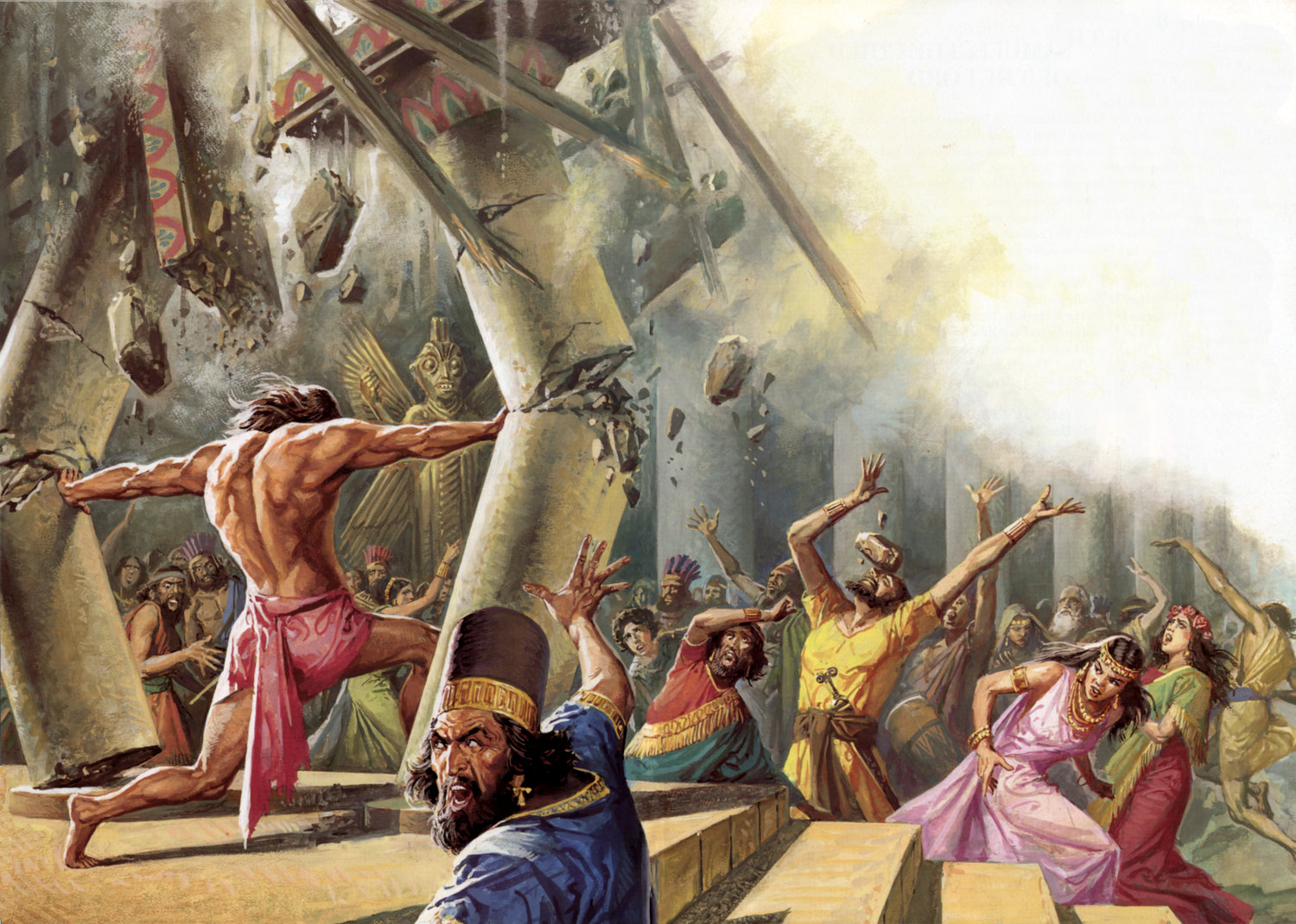
While the Israelites had just successfully conquered Canaan and the promised land, their period of victory was short-lived. The Israelites fell into deep sin and adopted forbidden Canaanite religion (from the Canaanites that they failed to drive out before). Their strong leadership fell away, they were unable to trust God, and they were apathetic about the state of their nation.
Throughout this period of decline, God brought forth 12 judges, who were military leaders that were assigned to specific tasks of deliverance by God so that order and justice would be restored among the Israelites.
The nation went through cycles with the judges. The Israelites would be in deep sin and far from God. Next, God would let enemy nations oppress Israel and go to war as a form of judgment on them. The Israelites would then repent and cry out to the Lord, and God would deliver them through a judge that he raised up.
Throughout this period of decline, God brought forth 12 judges, who were military leaders that were assigned to specific tasks of deliverance by God so that order and justice would be restored among the Israelites.
The nation went through cycles with the judges. The Israelites would be in deep sin and far from God. Next, God would let enemy nations oppress Israel and go to war as a form of judgment on them. The Israelites would then repent and cry out to the Lord, and God would deliver them through a judge that he raised up.
1120
Samuel's Ministry
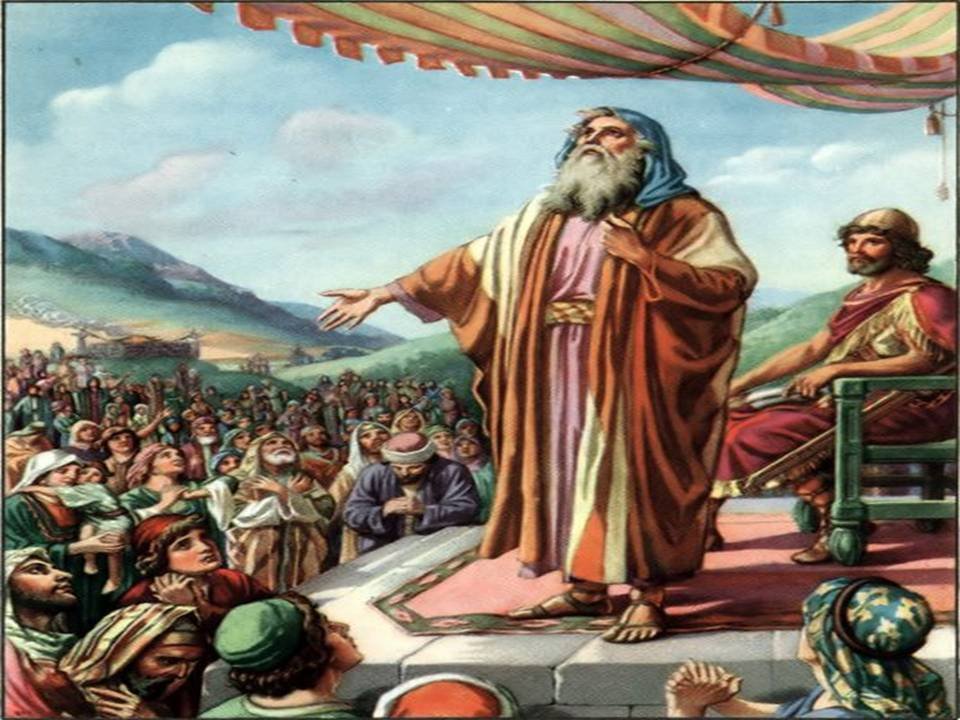
At the end of the Judges period, the Israelites were still deep in sin and lacked any good political or spiritual leadership. So, the Lord raised up Samuel to become a good spiritual leader for the nation. Samuel learned to discern God’s voice as a young man, and served the Israelites faithfully doing what was best for them.
However, the people of Israel soon grew tired of Samuel’s leadership as they wanted an earthly king. Samuel warned them of the consequences of a monarchy and earthly king, but they didn’t listen. So, God chose Saul to be Israel’s first king.
Samuel would later on anoint Saul’s successor, David, to be the second king over Israel.
However, the people of Israel soon grew tired of Samuel’s leadership as they wanted an earthly king. Samuel warned them of the consequences of a monarchy and earthly king, but they didn’t listen. So, God chose Saul to be Israel’s first king.
Samuel would later on anoint Saul’s successor, David, to be the second king over Israel.
1050

United Monarchy
Saul
After being established as king of Israel, Saul had a few initial successes as a military leader. However, Saul made a few critical mistakes, ignored the leadership of Samuel, and disobeyed God. Samuel told him that since he has rejected the word of God, God has rejected him from being king.
David
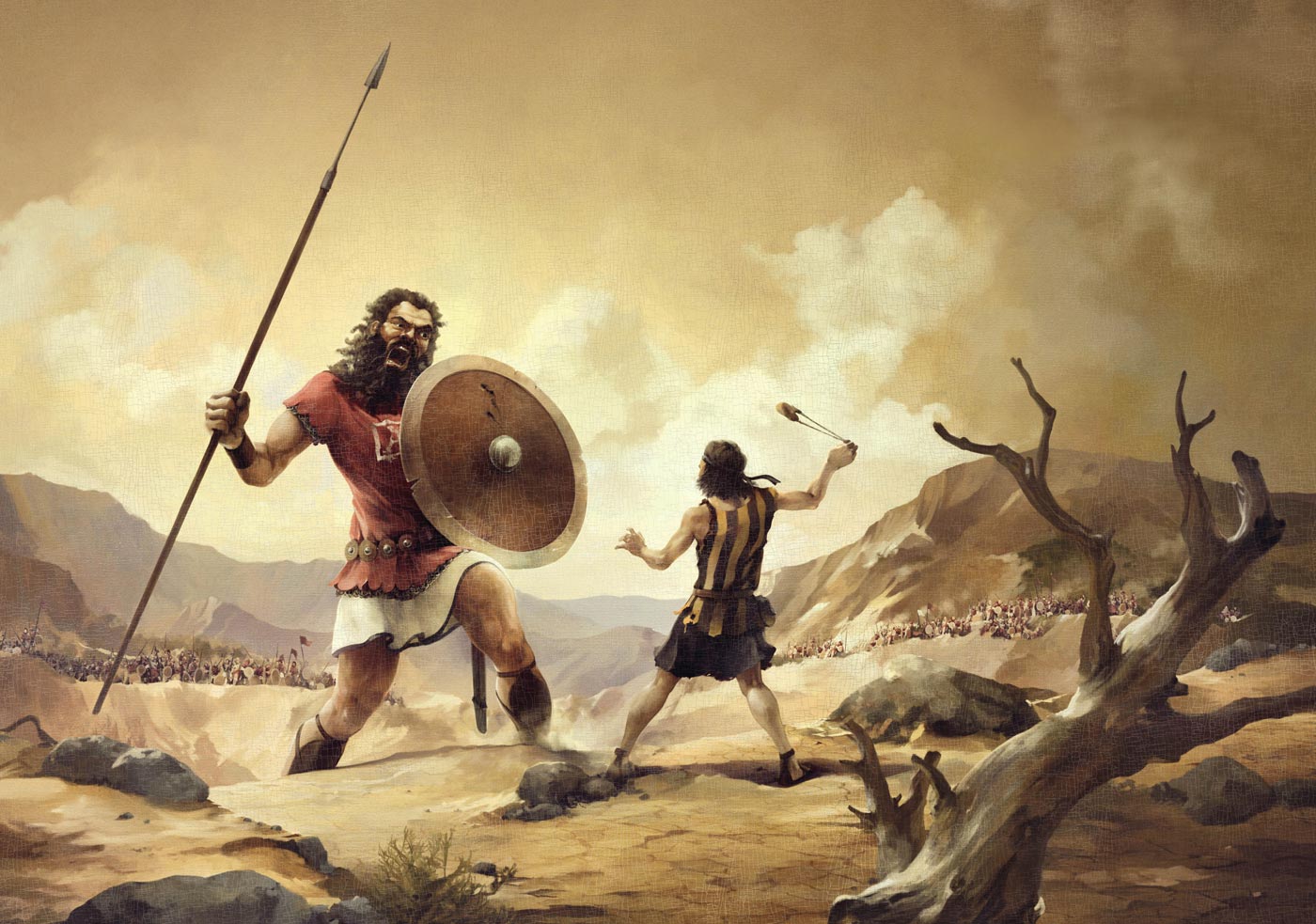
After David was anointed to become the next king by Samuel, he didn’t immediately become king. However, his popularity grew quickly, especially after defeating Goliath the Philistine, and despite push-back and threats from Saul.
David eventually became king and was very successful with his military campaigns, making Israel’s borders secure.
David wanted to build God a temple (a house for God), but God turned this around and instead made a covenant to build David a house of descendants, to establish his dynastic line. In addition, God promised to raise up David’s son to build the temple, and to provide a place for the Israelites to live forever.
David committed adultery while king, and even though God forgave him when he repented for this sin, he experienced consequences for this for the rest of his reign. For example, he experienced discontent within his kingdom, and issues and murders within his household between his children.
Solomon
Solomon was one of David’s sons and the next king of Israel. He was given great wisdom from God which led to his great reign over the kingdom and Israel’s prosperity during this time. During his reign, Israel was able to build God’s temple, and God honored this by bestowing his presence on it.
However, Solomon made some errors that caused the end of Israel’s prosperity and his reign. He had numerous marriages for political reasons, even though God specifically forbade these. His relationships began to compromise his morals and made him drift towards polytheism instead of just worshiping God. Because of this, God let issues arise within Solomon’s kingdom.
After being established as king of Israel, Saul had a few initial successes as a military leader. However, Saul made a few critical mistakes, ignored the leadership of Samuel, and disobeyed God. Samuel told him that since he has rejected the word of God, God has rejected him from being king.
David
After David was anointed to become the next king by Samuel, he didn’t immediately become king. However, his popularity grew quickly, especially after defeating Goliath the Philistine, and despite push-back and threats from Saul.
David eventually became king and was very successful with his military campaigns, making Israel’s borders secure.
David wanted to build God a temple (a house for God), but God turned this around and instead made a covenant to build David a house of descendants, to establish his dynastic line. In addition, God promised to raise up David’s son to build the temple, and to provide a place for the Israelites to live forever.
David committed adultery while king, and even though God forgave him when he repented for this sin, he experienced consequences for this for the rest of his reign. For example, he experienced discontent within his kingdom, and issues and murders within his household between his children.
Solomon
Solomon was one of David’s sons and the next king of Israel. He was given great wisdom from God which led to his great reign over the kingdom and Israel’s prosperity during this time. During his reign, Israel was able to build God’s temple, and God honored this by bestowing his presence on it.
However, Solomon made some errors that caused the end of Israel’s prosperity and his reign. He had numerous marriages for political reasons, even though God specifically forbade these. His relationships began to compromise his morals and made him drift towards polytheism instead of just worshiping God. Because of this, God let issues arise within Solomon’s kingdom.
930
Divided Monarchy
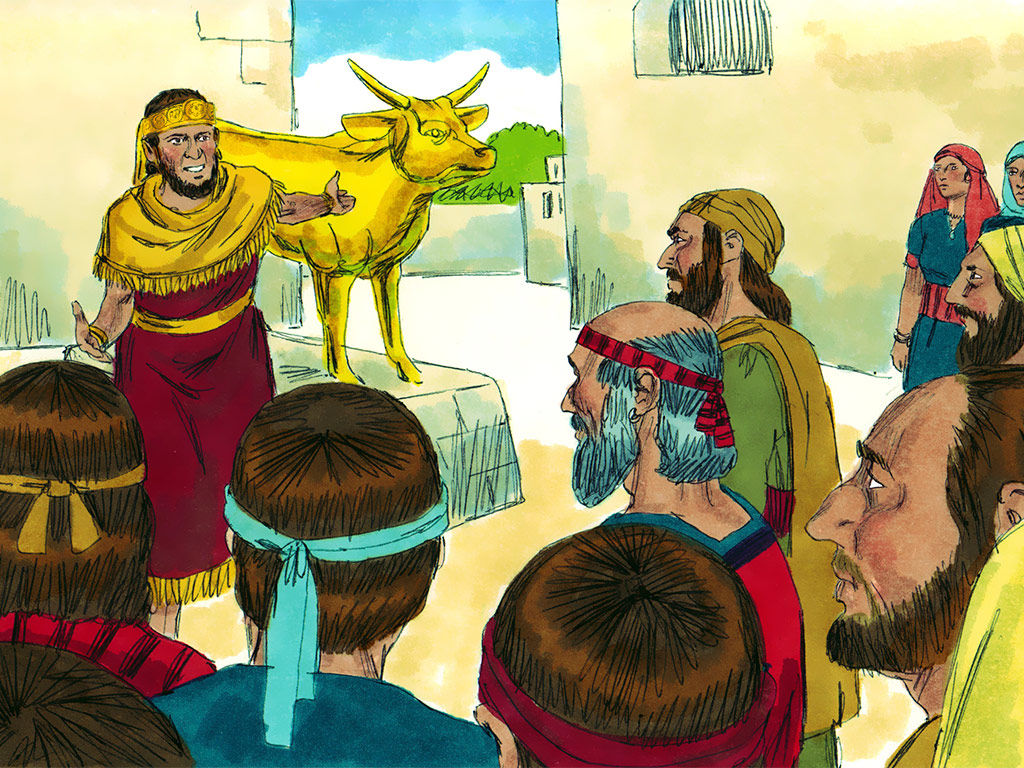
Because of Solomon’s mistakes, his empire was divided into two smaller kingdoms – Israel in the north and Judah in the south – who lived in intermittent hostility towards each other.
The first conflict between the two nations was between Jeroboam of the north (Israel) and Rehoboam, son of Solomon, of the south (Judah). Both were unfaithful to God during their reigns. In fact, none of the 20 northern kingdom rulers were faithful, and only 8 of the 20 southern kingdom rulers were faithful.
The first conflict between the two nations was between Jeroboam of the north (Israel) and Rehoboam, son of Solomon, of the south (Judah). Both were unfaithful to God during their reigns. In fact, none of the 20 northern kingdom rulers were faithful, and only 8 of the 20 southern kingdom rulers were faithful.
722
Exile of Israel
Israel worshiped other Gods, set up sacred stones, worshiped idols, and even sacrificed their sons and daughters by fire.
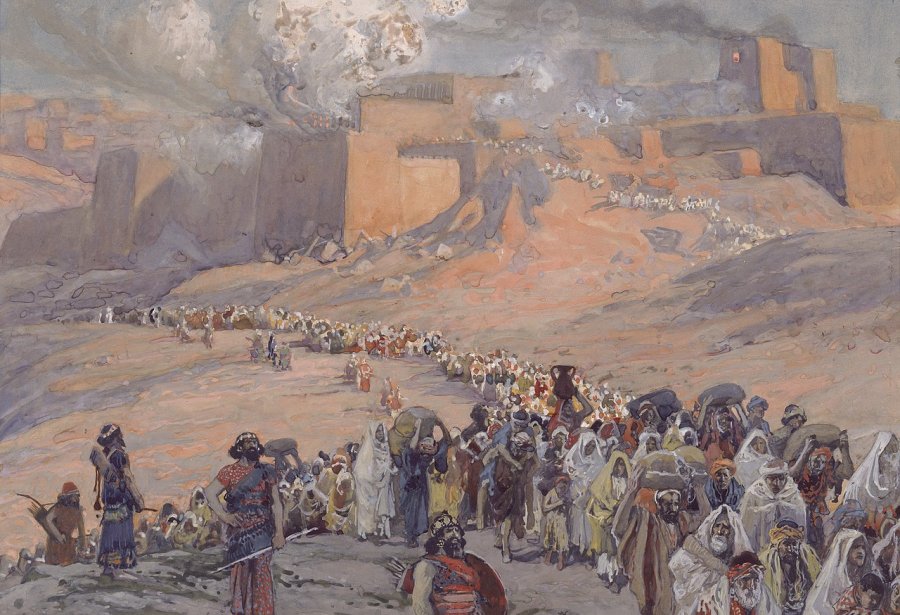
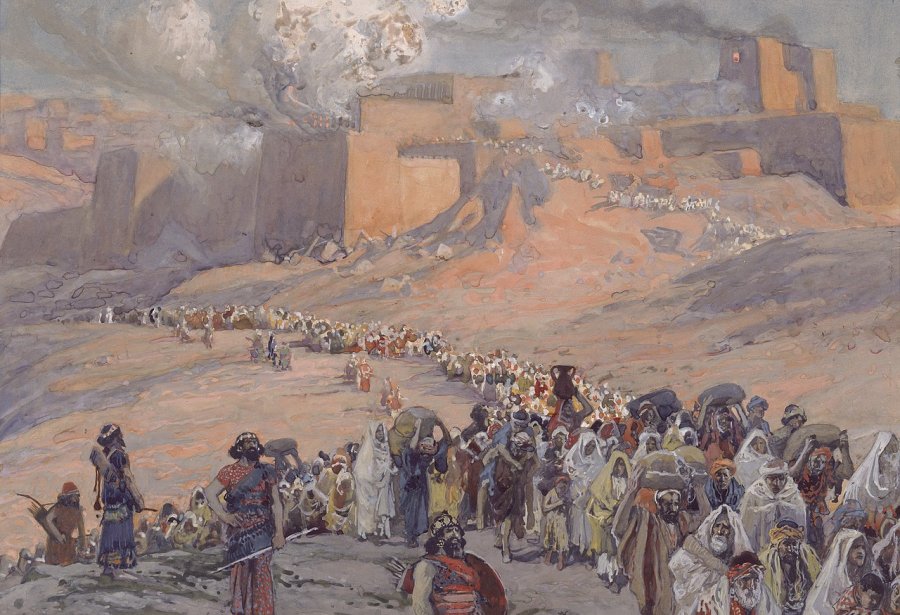
Because of Israel’s unfaithfulness to the Lord and their constant worship of other gods, Shalmaneser (King of Assyria, the superpower of the day) invaded the entire land. Israel’s capital of Samaria was destroyed and the Israelites were exiled to Assyria.
The Assyrians moved other people into Samaria and Israel to resettle their towns. Although an attempt was made to have those people learn the ways of the God of the land, they continued to worship other gods.
Because of Israel’s unfaithfulness to the Lord and their constant worship of other gods, Shalmaneser (King of Assyria, the superpower of the day) invaded the entire land. Israel’s capital of Samaria was destroyed and the Israelites were exiled to Assyria.
The Assyrians moved other people into Samaria and Israel to resettle their towns. Although an attempt was made to have those people learn the ways of the God of the land, they continued to worship other gods.
586
Exile of Judah
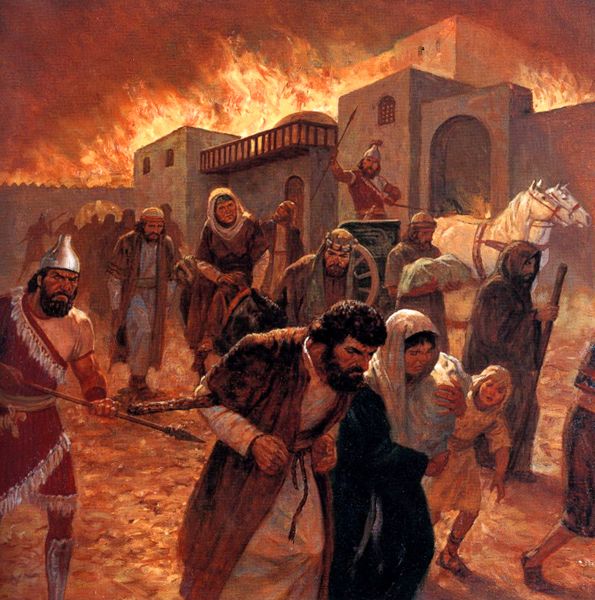
Similarly to the northern kingdom of Israel, the southern kingdom of Judah was also unfaithful to the Lord. Because of this, Judah’s capital of Jerusalem was destroyed and the people of Judah were exiled to Babylon.
The Babylonians – led by Nebuchadnezzar – set fire to every important building, including God’s temple, in Jerusalem, the capital of Judah.
The Babylonians – led by Nebuchadnezzar – set fire to every important building, including God’s temple, in Jerusalem, the capital of Judah.
930
Living in Exile
Esther
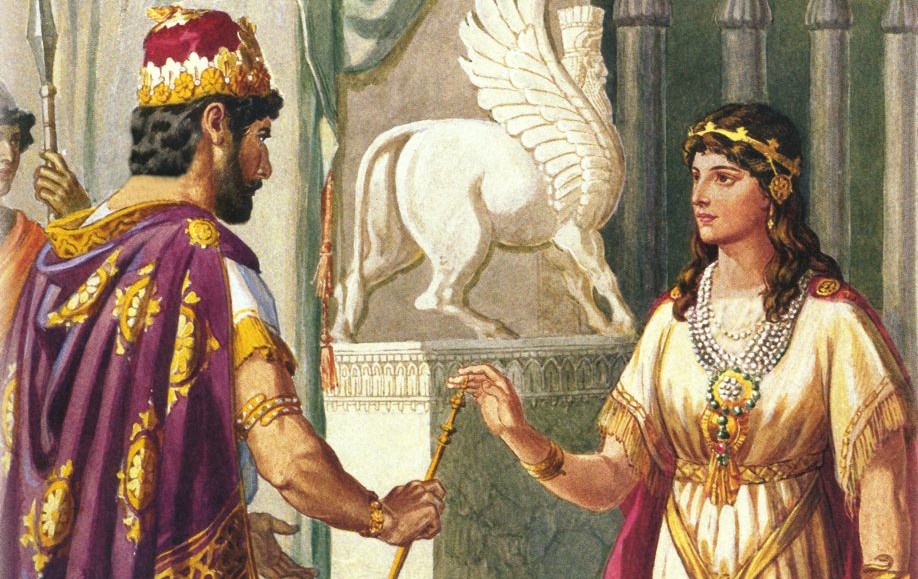
Queen Esther was a Jewish woman who became the queen of Persia under King Ahasuerus (aka King Xerxes), and was able to save the Jewish population of Persia. When the King was looking for a new wife (as he was unsatisfied with his previous wife, Vashti), he chose Esther as he was the most impressed by her. Esther slowly gained the trust and favor of the King. When she heard of Haman’s plan (Haman was an official for the King) to destroy all of the Jews, she was able to convince King Xerxes to counter the order and save the Jews from Haman’s planned slaughter. Esther was also able to bring honor and prestige to Mordecai, her cousin and guardian, who adopted her after her parents died.
Daniel
Daniel was a servant for King Nebuchadnezzar, king of Babylon. Through his faithfulness in God, he was able to interpret many of the king’s dreams, find favor with the king, and move up the ranks within the kingdom. Later, when King Darius was ruler, some of the administrators in the kingdom didn’t like Daniel, so they convinced the king to ban praying to other gods for 30 days. When Daniel continued praying to God, he was thrown in a lion’s den as punishment. However, King Darius didn’t want to do this and prayed for God to save Daniel. God sent an angel to close the lions’ mouths so Daniel was left unharmed.
Queen Esther was a Jewish woman who became the queen of Persia under King Ahasuerus (aka King Xerxes), and was able to save the Jewish population of Persia. When the King was looking for a new wife (as he was unsatisfied with his previous wife, Vashti), he chose Esther as he was the most impressed by her. Esther slowly gained the trust and favor of the King. When she heard of Haman’s plan (Haman was an official for the King) to destroy all of the Jews, she was able to convince King Xerxes to counter the order and save the Jews from Haman’s planned slaughter. Esther was also able to bring honor and prestige to Mordecai, her cousin and guardian, who adopted her after her parents died.
Daniel
Daniel was a servant for King Nebuchadnezzar, king of Babylon. Through his faithfulness in God, he was able to interpret many of the king’s dreams, find favor with the king, and move up the ranks within the kingdom. Later, when King Darius was ruler, some of the administrators in the kingdom didn’t like Daniel, so they convinced the king to ban praying to other gods for 30 days. When Daniel continued praying to God, he was thrown in a lion’s den as punishment. However, King Darius didn’t want to do this and prayed for God to save Daniel. God sent an angel to close the lions’ mouths so Daniel was left unharmed.
538
Returns From Exile
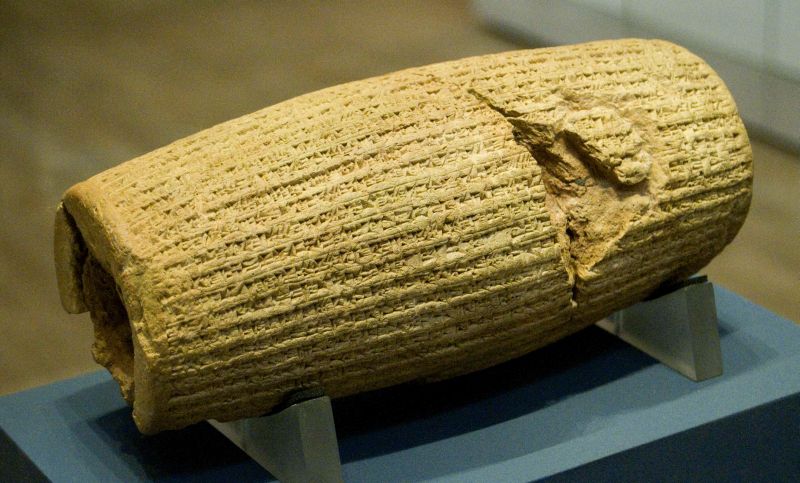
With Cyrus’s edict documented by the Cyrus cylinder, the first group of Jews returned to Jerusalem in 538BC under Zerubbabel’s leadership. Zerubabbel played an important role in the beginnings of Israel’s restoration. He led them to build an altar and begin construction of the temple.
Unfortunately, the Jews were unable to finish the temple due to conflicts and hardship. So, God sent the prophets Haggai and Zechariah. Haggai encouraged them to give the temple the same consideration that they give their own homes, and Zechariah told the people of future blessings that would come if they obeyed God’s will. With these two prophets’ encouragement, the Jews were able to finally finish the temple in 516BC and reestablish their priests.
Nearly 80 years after the first return, in 458BC, Artaxerxes (king of Persia) sent Ezra the priest to Jerusalem. Ezra lead another group of Jews back to Jerusalem in a second return. Upon his return, Ezra found that many Jews had intermarried with the Canaanites and other nations and had begun to adopt some of their religious practices. Ezra issues an order to stop these marriages and helps the people to dissolve them.
Unfortunately, the Jews were unable to finish the temple due to conflicts and hardship. So, God sent the prophets Haggai and Zechariah. Haggai encouraged them to give the temple the same consideration that they give their own homes, and Zechariah told the people of future blessings that would come if they obeyed God’s will. With these two prophets’ encouragement, the Jews were able to finally finish the temple in 516BC and reestablish their priests.
Nearly 80 years after the first return, in 458BC, Artaxerxes (king of Persia) sent Ezra the priest to Jerusalem. Ezra lead another group of Jews back to Jerusalem in a second return. Upon his return, Ezra found that many Jews had intermarried with the Canaanites and other nations and had begun to adopt some of their religious practices. Ezra issues an order to stop these marriages and helps the people to dissolve them.